Up to 10% off


 Up to 10% off
Palm Equipment
In stockSale price £134.10 GBP Regular price £149.00Unit price

 Up to 33% off
Palm Equipment
Palm Meander Women's Buoyancy Aid
In stockSale price £59.99 GBP Regular price £89.00Unit price

 Up to 33% off
Palm Equipment
In stockSale price £59.99 GBP Regular price £89.00Unit price

 Up to 33% off
Palm Equipment
Palm Peyto Women's Buoyancy Aid
Low stock (2 units)Sale price £99.99 GBP Regular price £149.00Unit price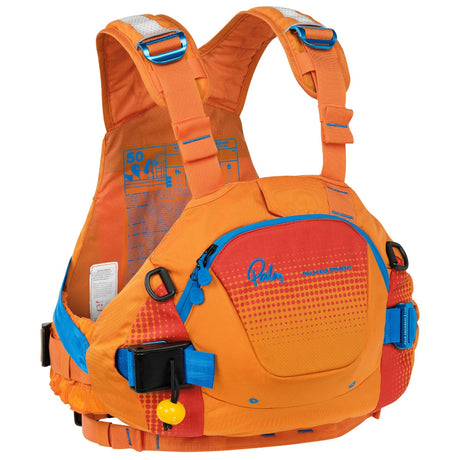
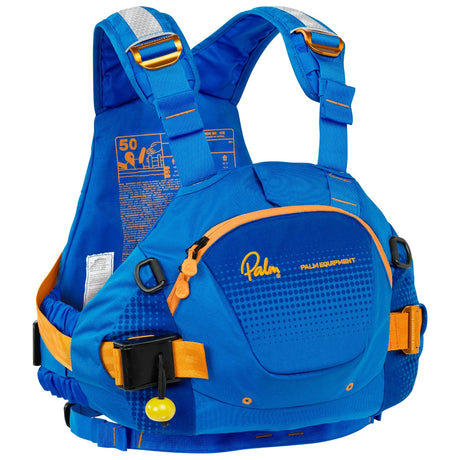
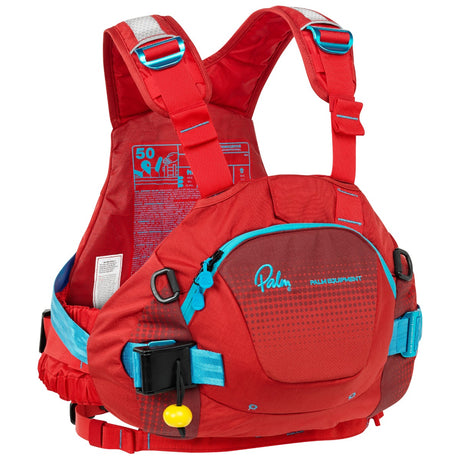 Up to 15% off
Palm Equipment
Low stock (2 units)Sale price £169.15 GBP Regular price £199.00Unit price


 Up to 10% off


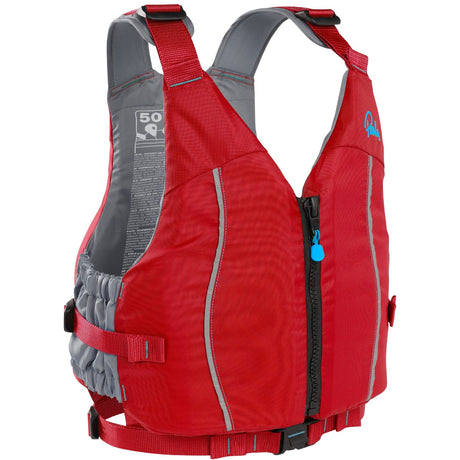 Up to 10% off
Palm Equipment
+1In stockSale priceFrom £50.39 GBP Regular price £55.99Unit price


 Up to 33% off
Palm Equipment
In stockSale price £99.99 GBP Regular price £149.00Unit price

 Up to 32% off
Palm Equipment
In stockSale price £64.99 GBP Regular price £95.00Unit price

 Up to 10% off

 Up to 10% off
Palm Equipment
In stockSale price £45.90 GBP Regular price £51.00Unit price

 Up to 10% off


 Up to 15% off


 Up to 10% off