What makes a whitewater buoyancy aid
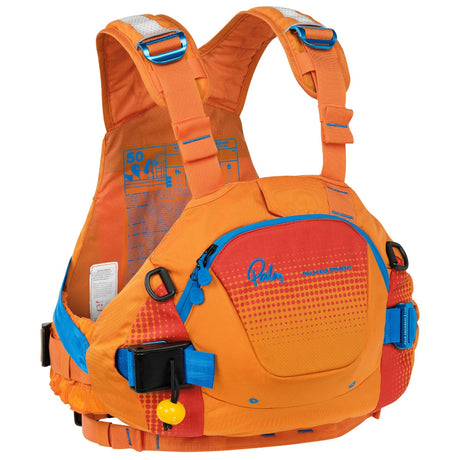
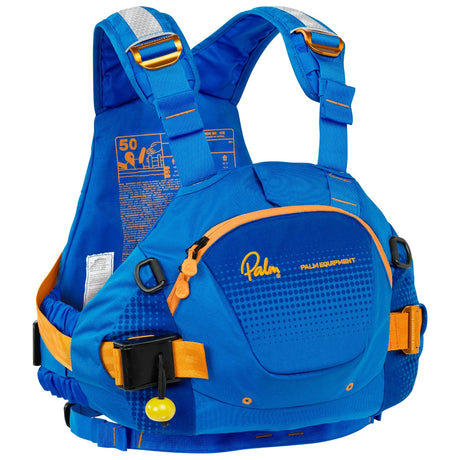
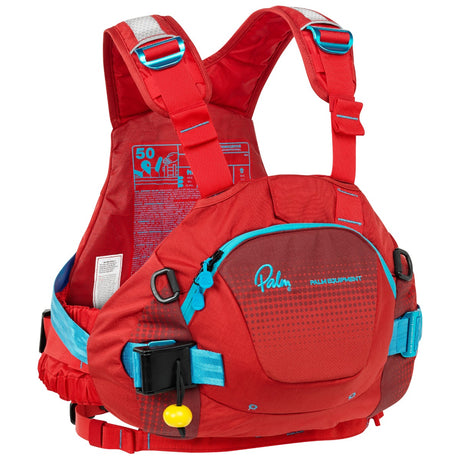
On moving water an aid has to do more. Whitewater aids carry more flotation, fit closer so they stay put when you swim, and are cut short so they clear a spraydeck and let you rotate fully when you roll. Pockets are kept smaller and flatter so there is less to snag.
Do you need a rescue PFD?
Rescue versions add a quick-release chest harness for live-bait rescues and towing, usually with a tow ring at the back. They are what leaders, coaches and anyone running safety should be wearing, and they only work if you have been trained to use the harness. If you are newer to whitewater and paddling with a group, a standard whitewater aid is the right choice.
Getting the fit right
Fit matters even more on whitewater. Tighten the side adjusters from the bottom ones upwards so the aid sits low and snug, then check it will not lift past your chin when someone pulls up on the shoulders. An aid that rides up while you swim is doing a much worse job than one that fits.
Related collections
For flat water, sea kayaking and canoe trips, touring buoyancy aids are more comfortable over a long day. Women paddling whitewater should also look at the women's buoyancy aids. Or go back to all buoyancy aids.
Read more
Our guide How to Choose a Buoyancy Aid for Kayaking goes through fit, flotation and features in more detail.


 Up to 15% off